
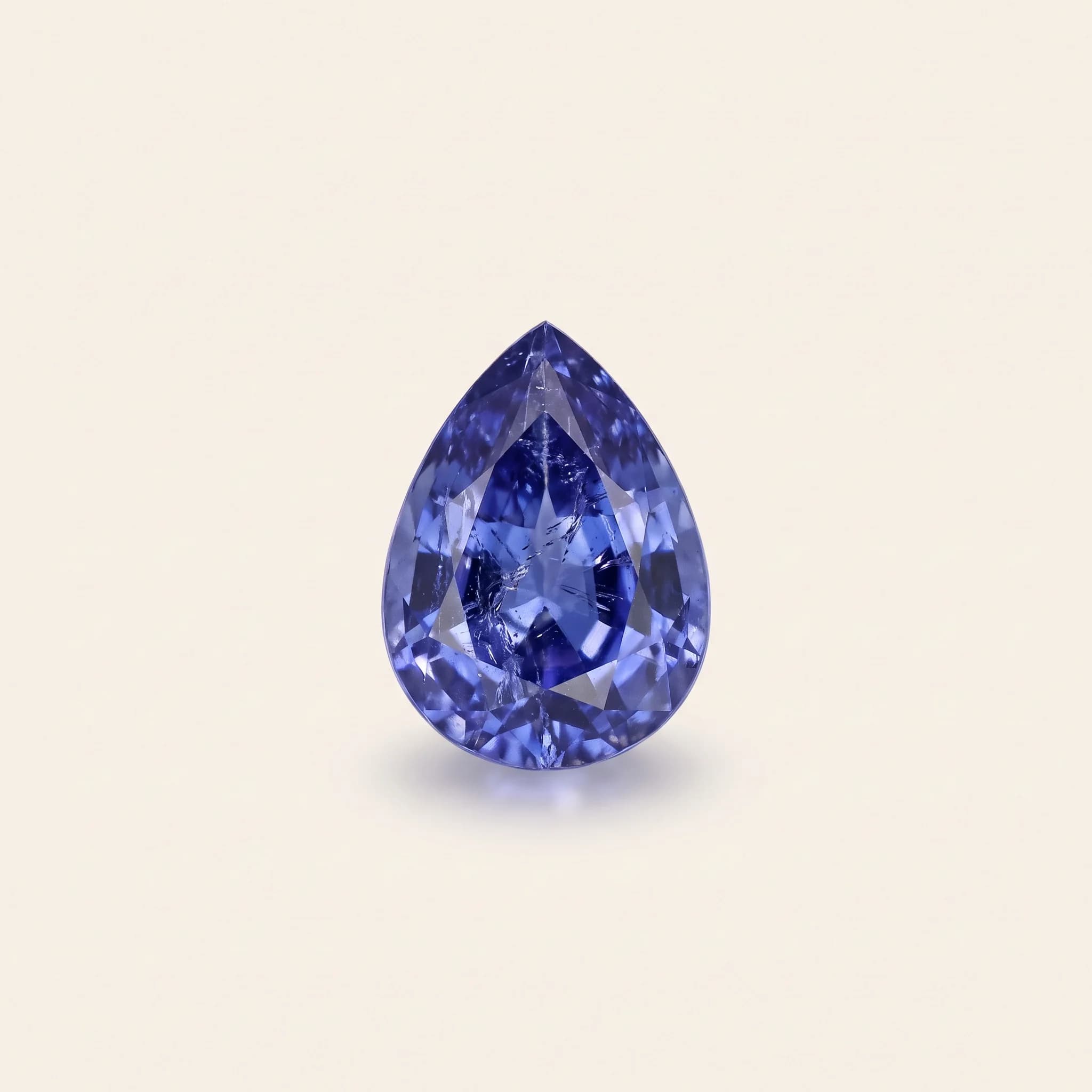
Unheated
GRS & NGJA
Royal Blue Sapphire4.15 cts
Ceylon Royal Blue Sapphire 'Tear of Serendib'
Pear / Teardrop•Vivid Royal Blue•Ratnapura
Net Valuation$22,800
Curated natural unheated Ceylon sapphires, Padparadschas, rubies, and collector mineral specimens authenticated with laboratory certifications from NGJA, GIA, and GRS.
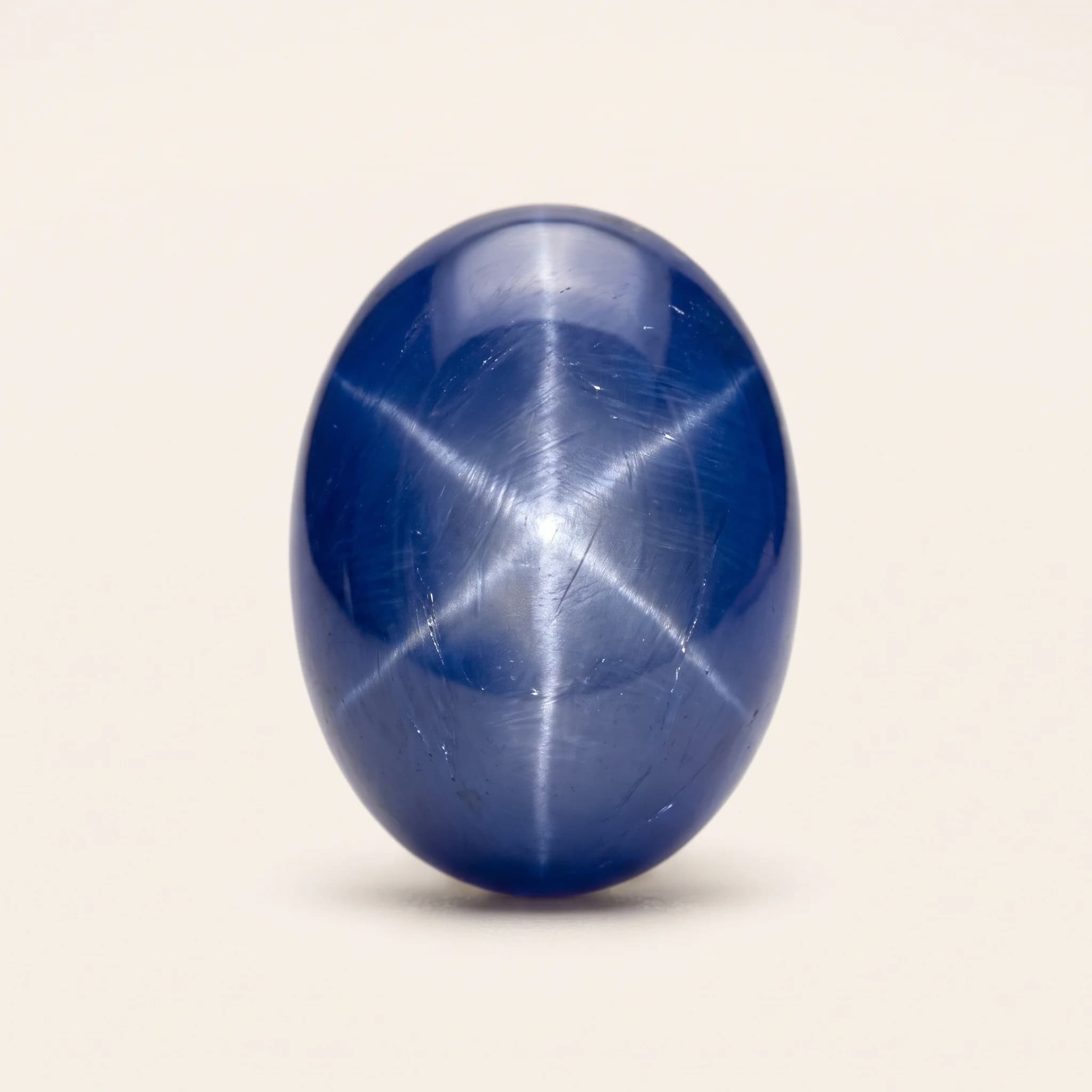
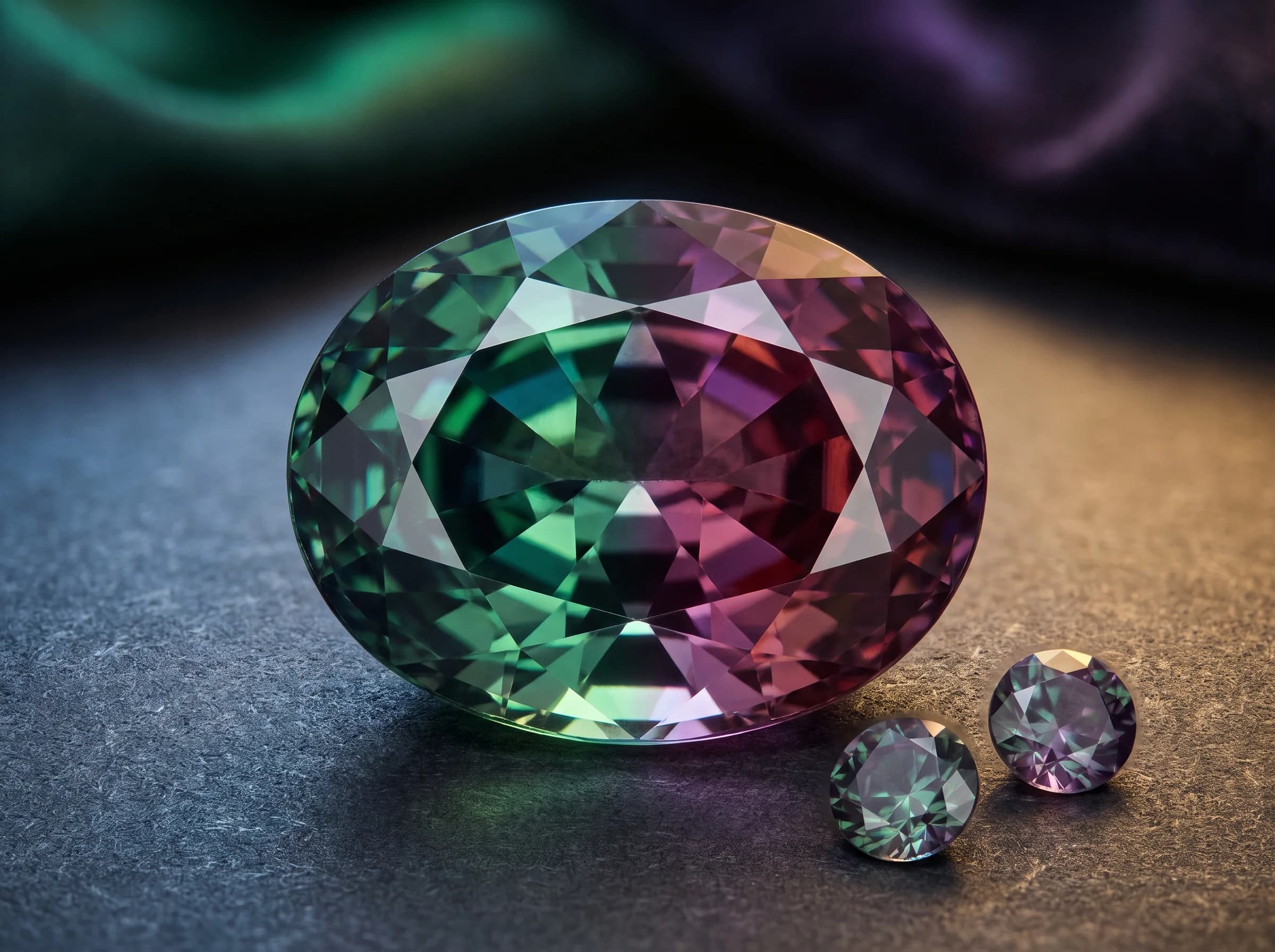
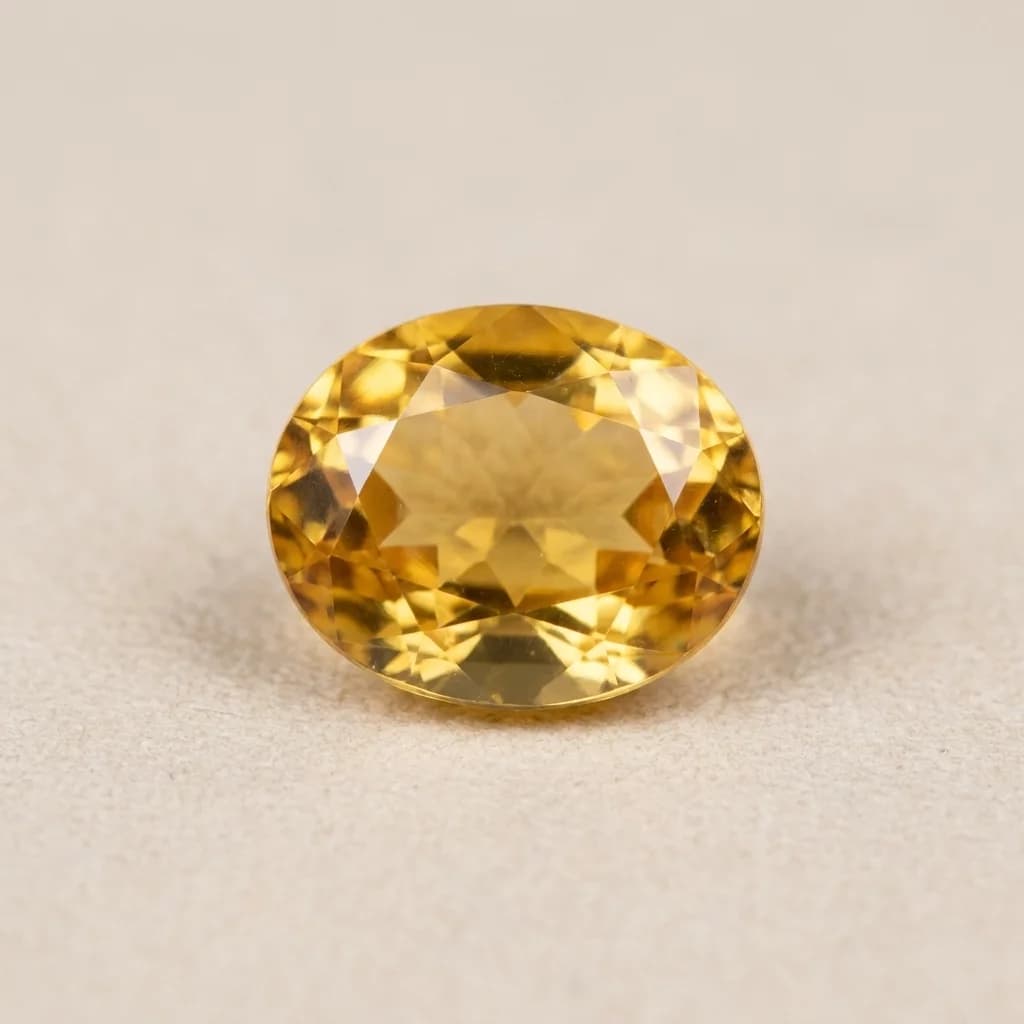


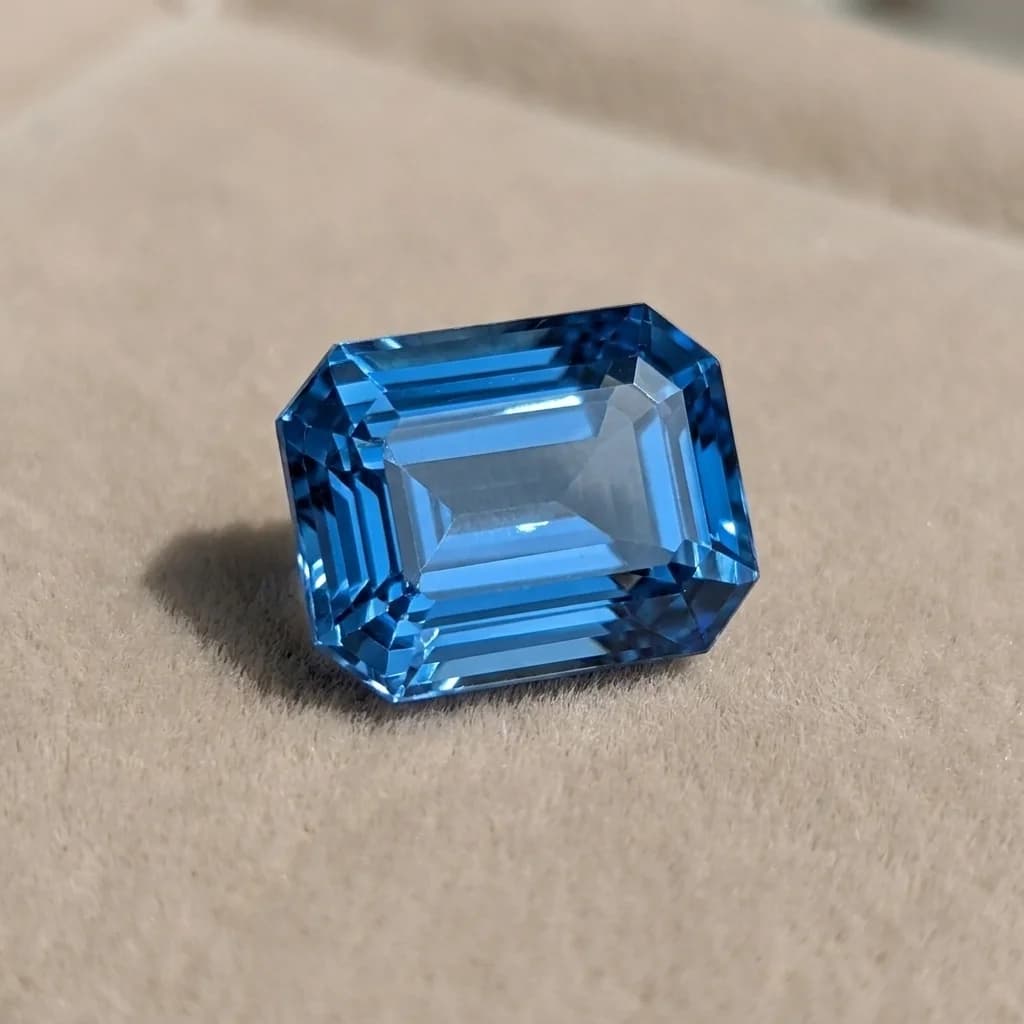
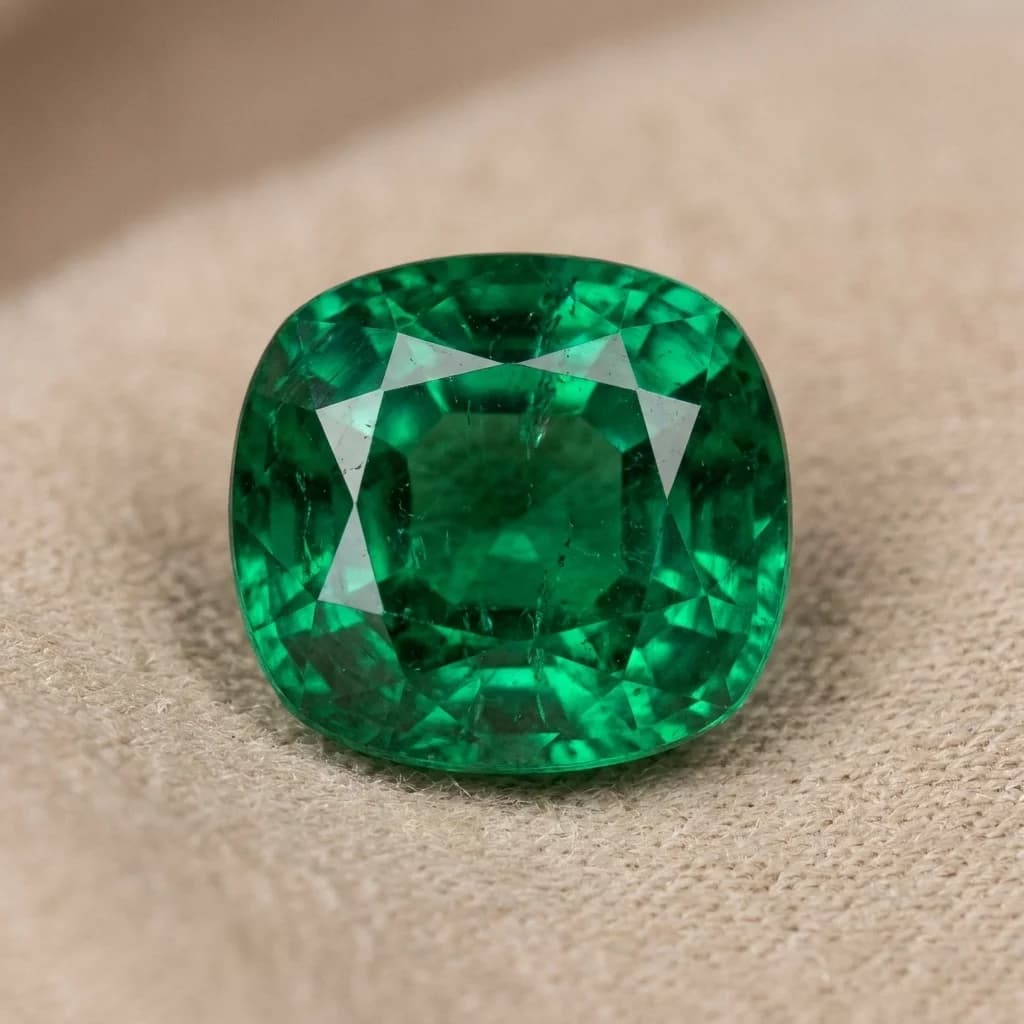
A Ceylon sapphire is a natural corundum gemstone mined from the gem-bearing gravels of Sri Lanka (formerly Ceylon). Celebrated worldwide for over two millennia, Ceylon sapphires are renowned for their vivid, open luminosity, high crystalline clarity, and iconic shades ranging from royal blue and cornflower blue to rare lotus-hued padparadschas.
Unlike basaltic sapphires from Australia or Thailand, Ceylon corundum contains low iron content, preventing the stone from appearing dark or inky in evening light.
An unheated sapphire is a completely natural gemstone that has undergone zero thermal, chemical, or lattice enhancement after being unearthed. Less than one percent of gem-grade sapphires possess sufficient natural color and clarity to remain unheated, making them significantly rarer, purer, and more valuable to connoisseurs and investors than heated stones.
Unheated status must be confirmed through microscopic inspection of intact rutile silk and laboratory spectroscopy documented on an independent GIA, GRS, or NGJA certificate.
A padparadscha sapphire is the rarest variety of corundum, showcasing an exquisite, delicate blend of lotus-pink and sunset-orange simultaneously. Originating from the Sinhalese term 'padma raga' (meaning the color of the aquatic lotus blossom), authentic natural unheated padparadschas from Sri Lanka command exceptional prestige in global high jewelry.
The color must be a pastel to medium tone free from dark or brown masking, verified by specialized laboratory color-stability light testing.
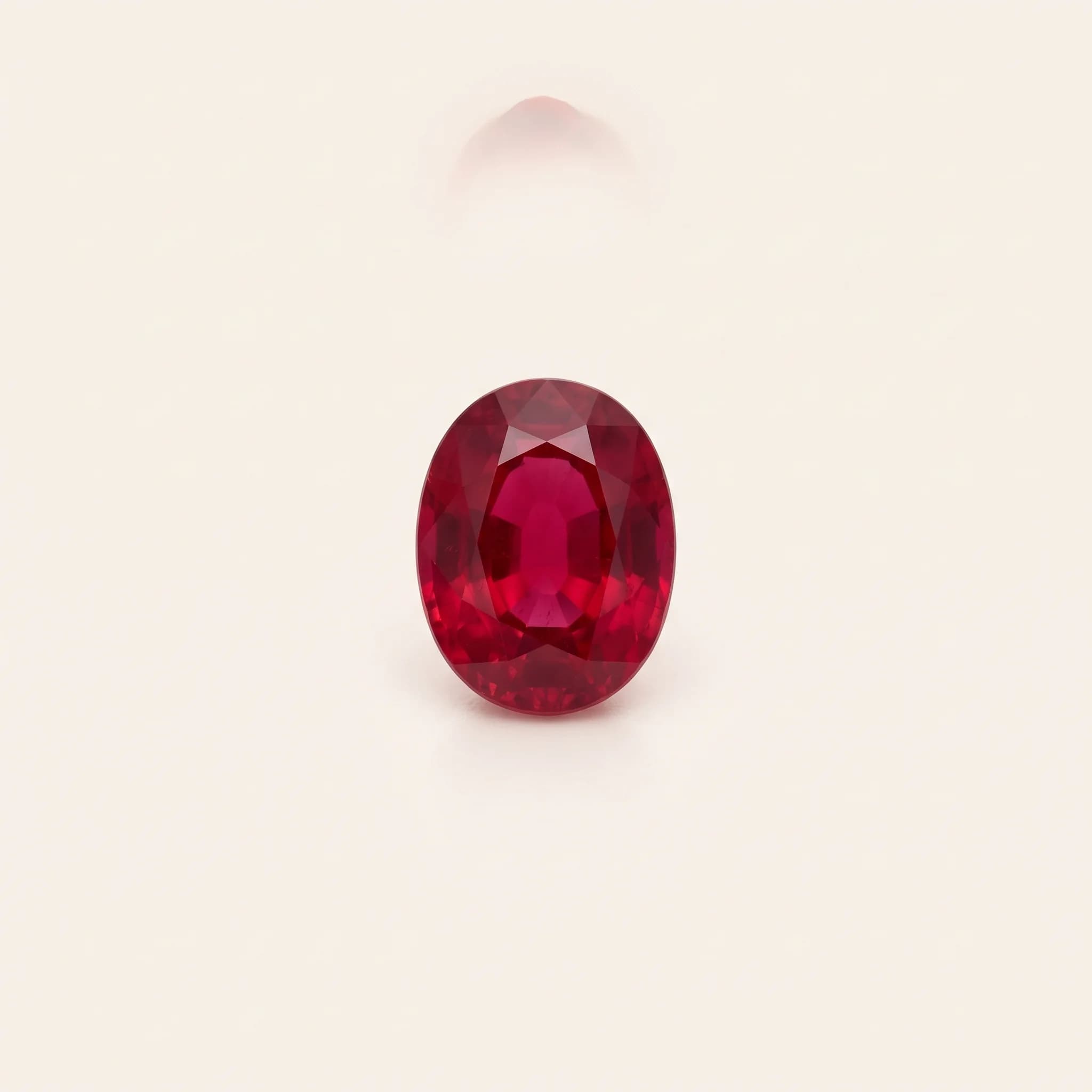
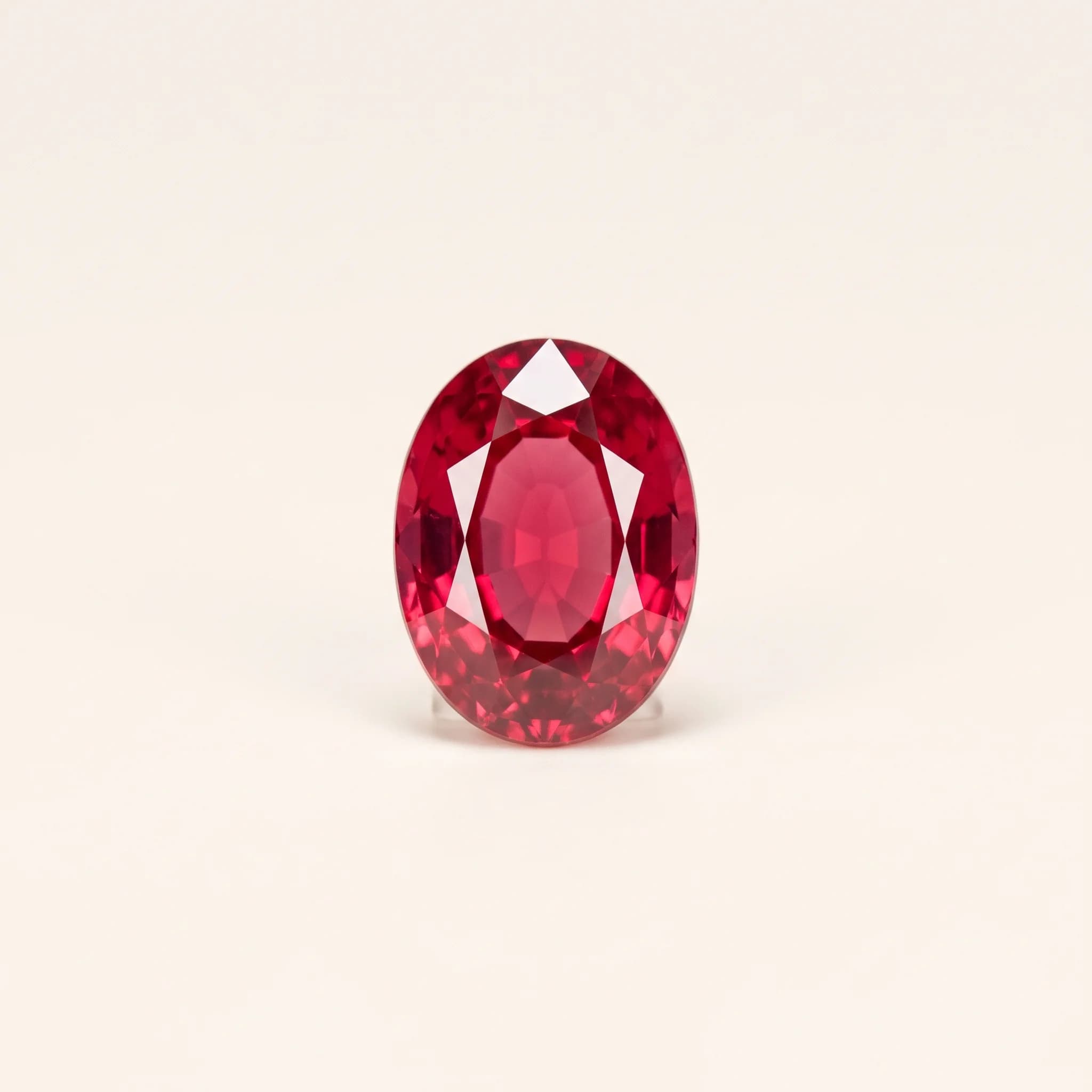
Pigeon blood ruby denotes the most coveted color grade in precious corundum-a vivid, intensely saturated red with an electrifying scarlet fluorescence. Natural Ceylon rubies are particularly prized for their radiant internal fire and transparency, glowing with dramatic crimson luminosity in both natural sunlight and evening candlelight.
This glow is caused by high chromium content paired with very low iron, allowing the crystal to fluoresce pure red under ultraviolet light wavelengths.
Every gemstone from Isuru Ceylon Gems includes a verifiable identification report from world-renowned independent laboratories-including GIA, GRS, GIC (Gemmological Institute of Colombo), or NGJA. You can verify authentication online by entering the report number and carat weight into the issuing laboratory’s official verification portal or scanning the QR code.
The online database displays a digital facsimile of the original dossier, allowing you to cross-reference millimeter dimensions, cut, and weight directly with the physical stone.
The price of a natural Ceylon blue sapphire typically ranges from $1,500 to $4,500 per carat for commercial fine grades (1–2 carats), rising to $5,000 to $18,000+ per carat for unheated royal blue or cornflower specimens of 3 to 7+ carats with master symmetry and international GIA or GRS certification.
Prices escalate non-linearly at significant carat milestones (3 carats, 5 carats, 10 carats), as larger unheated crystals represent less than a fraction of one percent of annual mine production.